
Toraja food: pa piong, coffee and local dishes
Start with bamboo-cooked pa’piong and a cup of Toraja Arabica. Dark pamarasan stews and red, white or black rice are other staples of the local table. Cafe Aras on Andi Mappanyukki is a sit-down Toraja-food stop in Rantepao; ballo palm wine belongs to the region’s family gatherings.
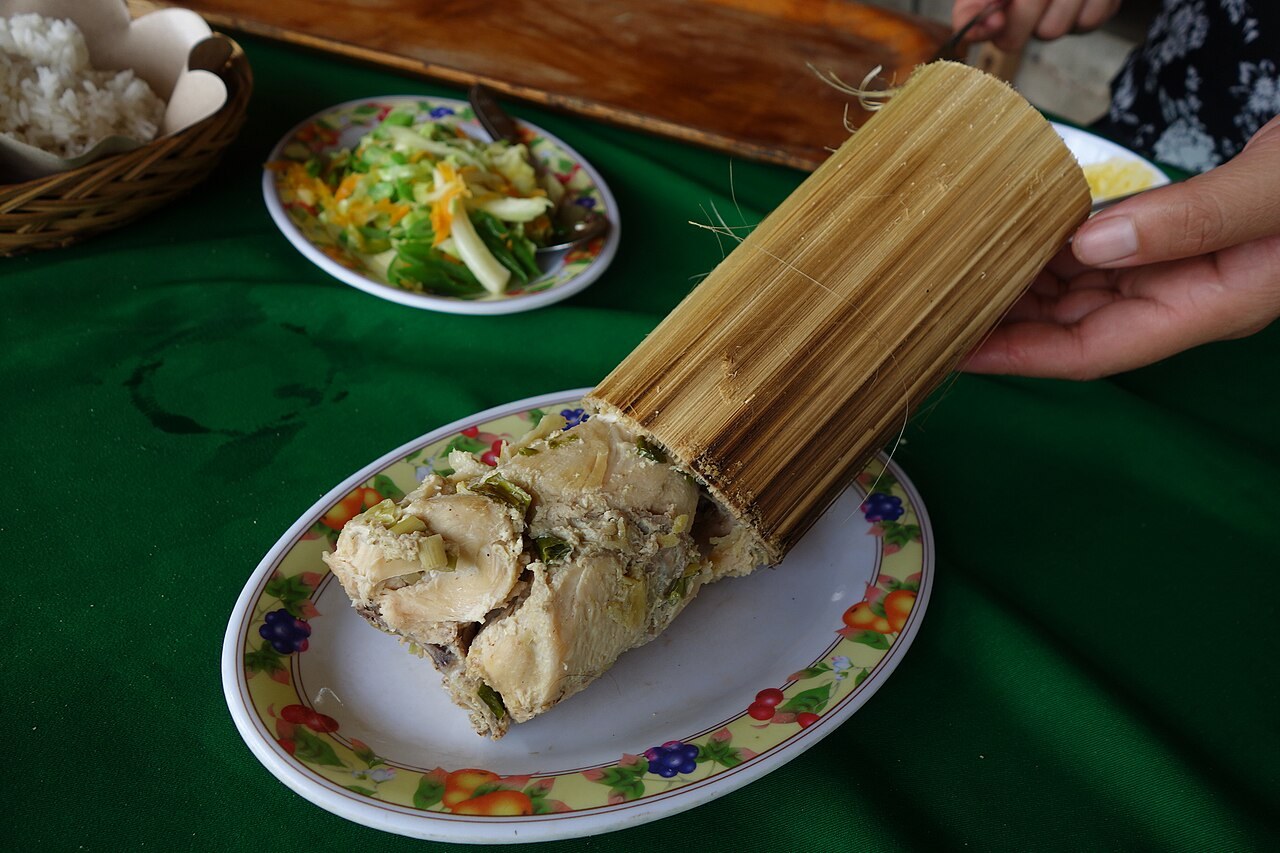
Bamboo-cooked pa’piong
A filled bamboo tube is cooked over an open fire to make pa’piong. Inside may be pork, chicken, fish or buffalo, mixed with coconut, scallions, lemongrass, garlic and miana leaves. Rice preparations carry the same name, so the term covers a cooking method as well as a family of dishes. Some preparations need advance ordering because they take longer to cook.
Meat names identify the main ingredient on a menu: babi means pork, manuk chicken and kerbau buffalo. Ingredients vary with the preparation, including rice-based versions cooked inside bamboo.
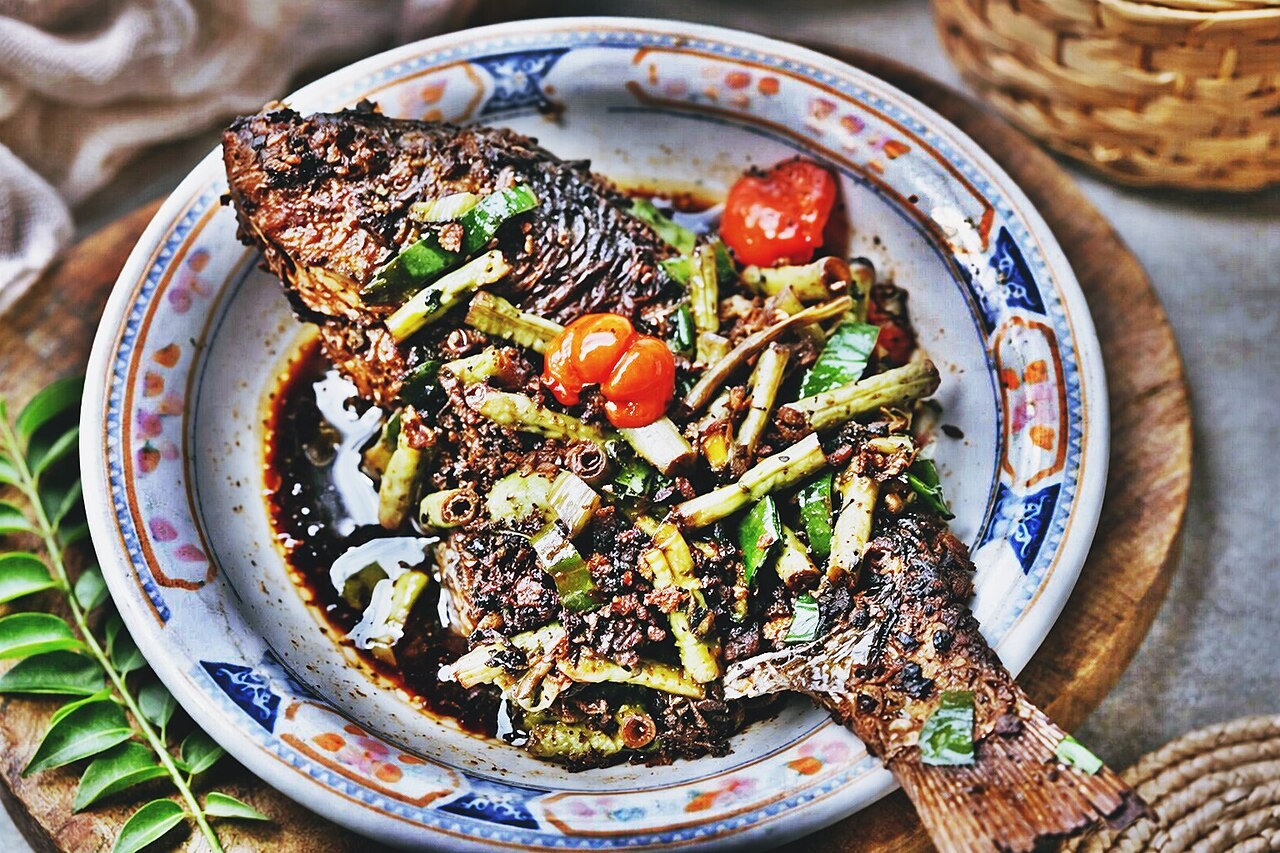
Pamarasan and colored rice
Pamarasan is meat cooked with pangi fruit, which turns both the meat and its broth black. Kluwak gives pantollo pamarrasan its dark color; shallots, chili, ginger and galangal are among the other ingredients. The stew is thick, with versions made from pork, buffalo, chicken, freshwater fish or eel.
Steamed rice or sago and vegetables accompany the stew. Toraja grows red, white and black rice, whose colors belong to the grain itself. Served with a dark pamarasan stew, rice and vegetables form part of the local meal.
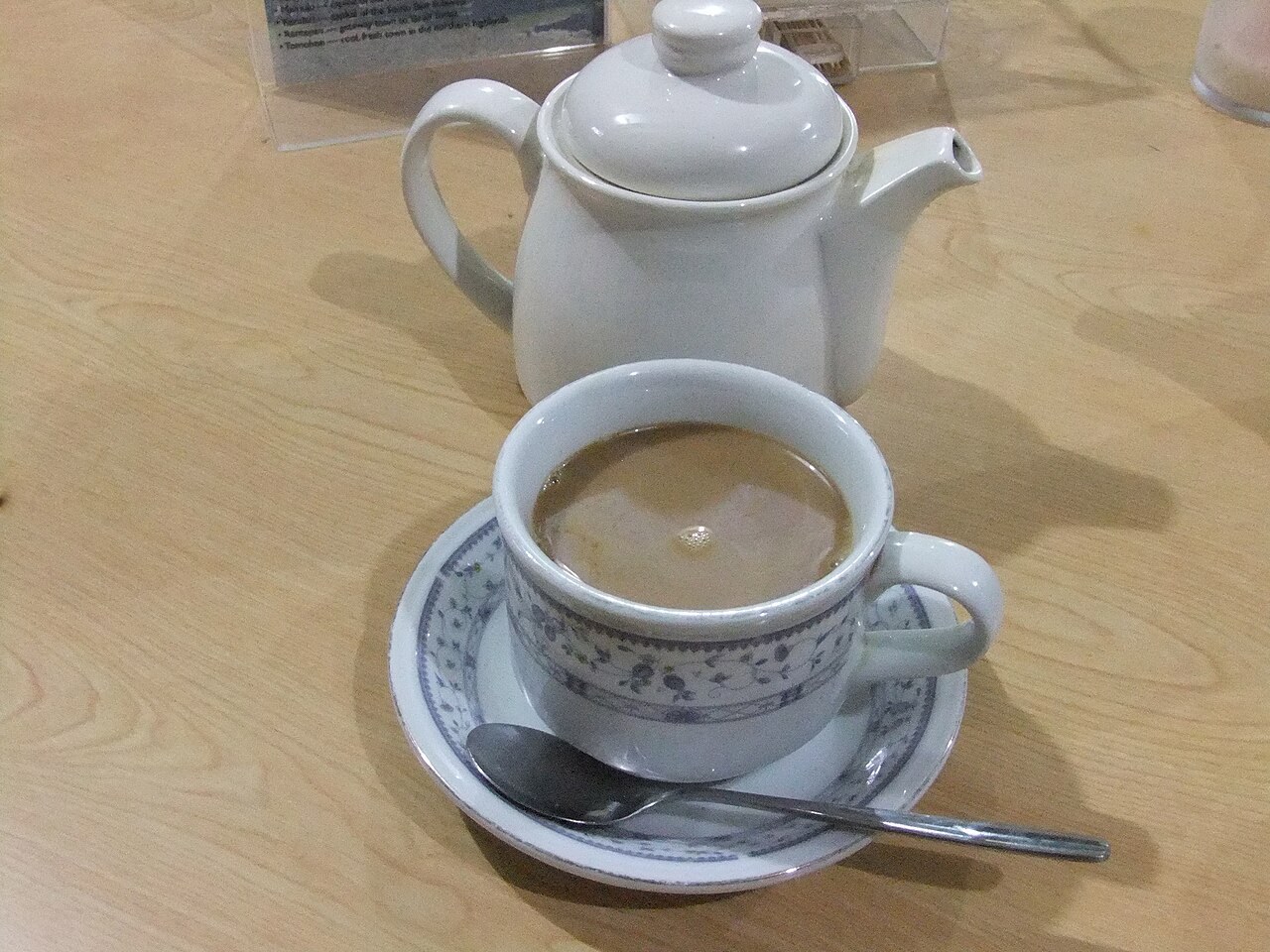
Toraja coffee and a town meal
Arabica grows in the Toraja highlands at around 1,500 m. Most production comes from smallholder plantings, with a smaller share on larger estates. Around Sesean, coffee plants grow among rice fields and bamboo woodland beside the village paths. Coffee is served in town and around the cultivated hillsides.
Cafe Aras is at Jalan Andi Mappanyukki No.64, Malango’, in Rantepao. Wooden decor and traditional carvings surround its indoor and outdoor seating. The café serves Toraja food in town, between road outings into the countryside. Cafe Aras 2 is farther along the street at No.94. Pa’piong and pamarasan are regional dishes, with an individual meal chosen from the kitchen’s menu.
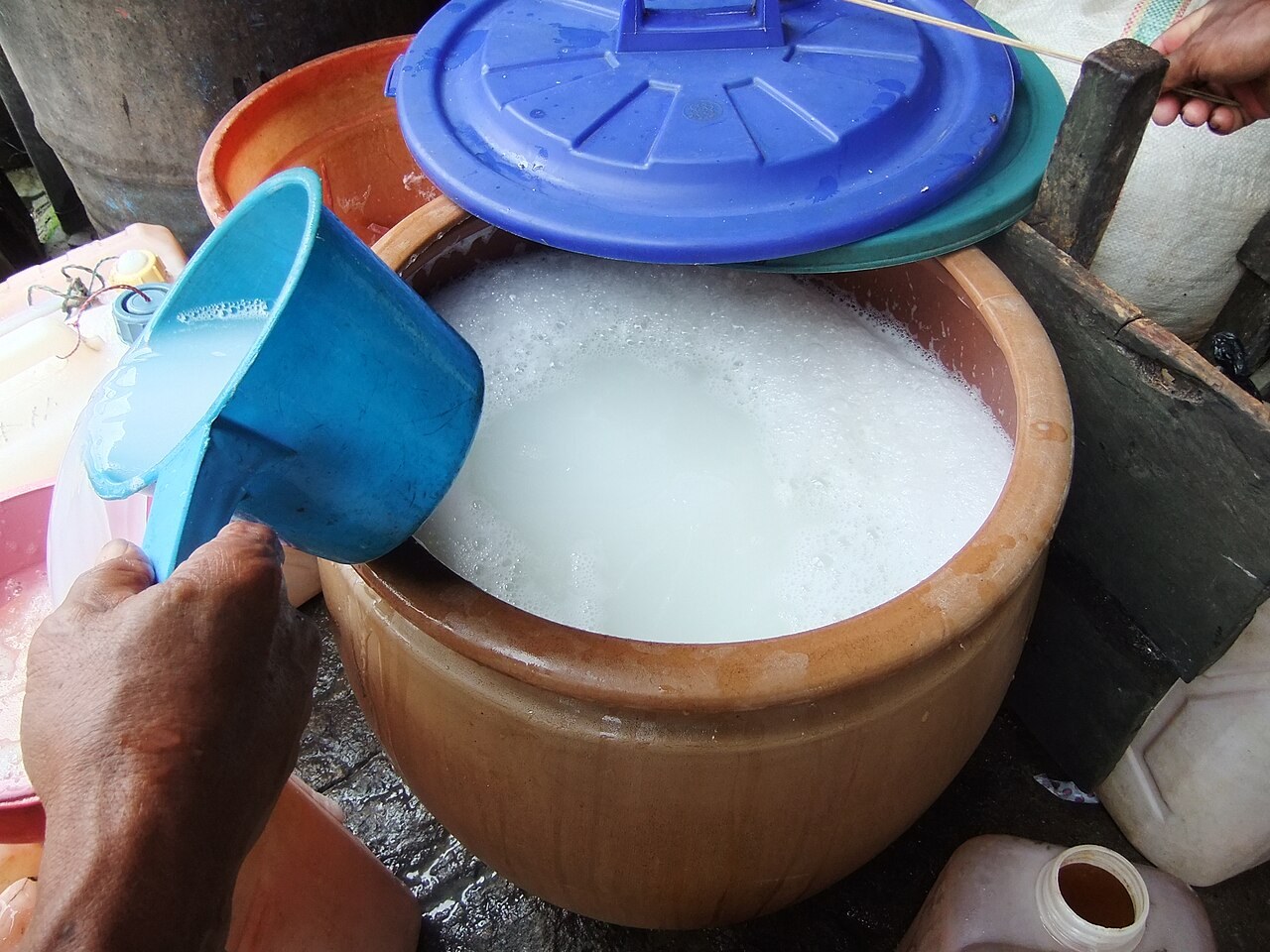
Ballo at family ceremonies
Ballo is palm wine made from the sap of the enau palm. The sap ferments after collection, and the drink is often served in a bamboo container called a suke. A Saluallo village attraction serves ballo in a bamboo suke; this is a village experience rather than a standard per-glass bar price. The bamboo vessel is part of this encounter with a drink made and served locally.
Ballo also accompanies Rambu Solo funerals and Rambu Tuka celebrations. Relatives gather for ceremonies and shared food, with palm wine among the drinks offered by the hosts. Food, drink and hospitality are part of the occasion and the family’s responsibilities to its guests and relatives.
Reviewed: